
FIELD PROVEN.
LEMA delivers dependable power in remote, rugged, and challenging environments, from U.S. military missions to last-mile communities in conflict-affected regions.

During April and May of 2025, LEMA participated in the Hybrid Fleet Campaign in coordination with U.S. Naval Southern Command, the United States Fourth Fleet, and the Salvadorian Military in joint anti-trafficking operations. LEMA was an invaluable resource, providing continuous, uninterrupted power to the mission's ground-control stations.
During this mission, there was a power outage at Cooperative Security Location Comalapa, El Salvador, where the mission was based. Normally, this would threaten the entire mission; however, the LEMA system maintained continuous power, and participants at the event did not even notice the outage. This occurrence provides an excellent example of the dependability of LEMA systems in any environment.
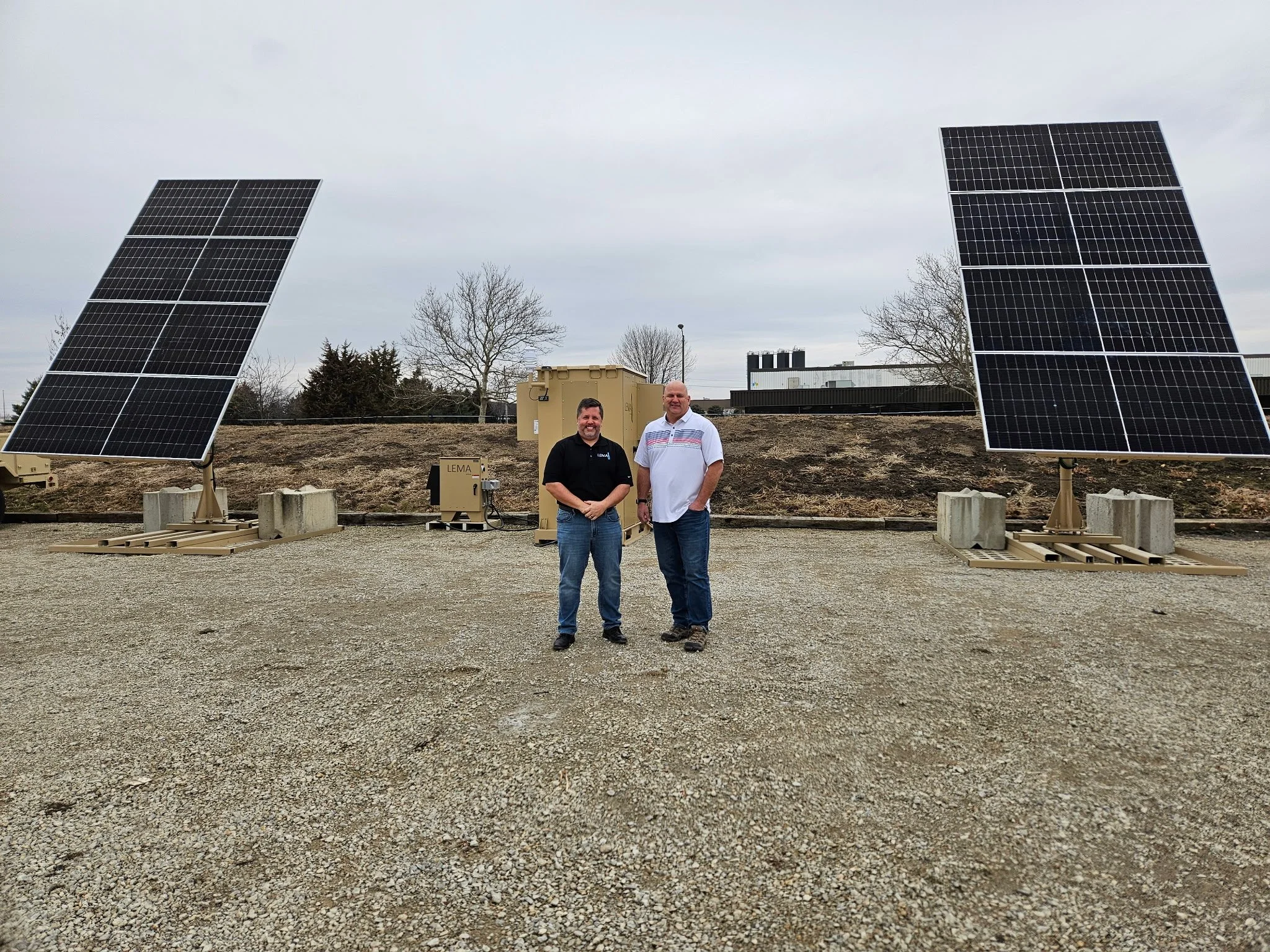
LEMA is a preferred partner of the U.S. Army Corps of Engineers (USACE) with many projects already delivered and additional projects currently ongoing. LEMA works directly with different divisions of the USACE. In Champaign, IL, LEMA is working with the Construction Engineering Research Lab (CERL) on groundbreaking technologies in military engineering.
LEMA also works with the Contingency Basing Integration Training and Evaluation Center (CBITEC), based out of Fort Leonard Wood, MO. There, LEMA's systems actively contribute to CBITEC's research and power housing at the base, another example of the enduring dependability of LEMA systems.
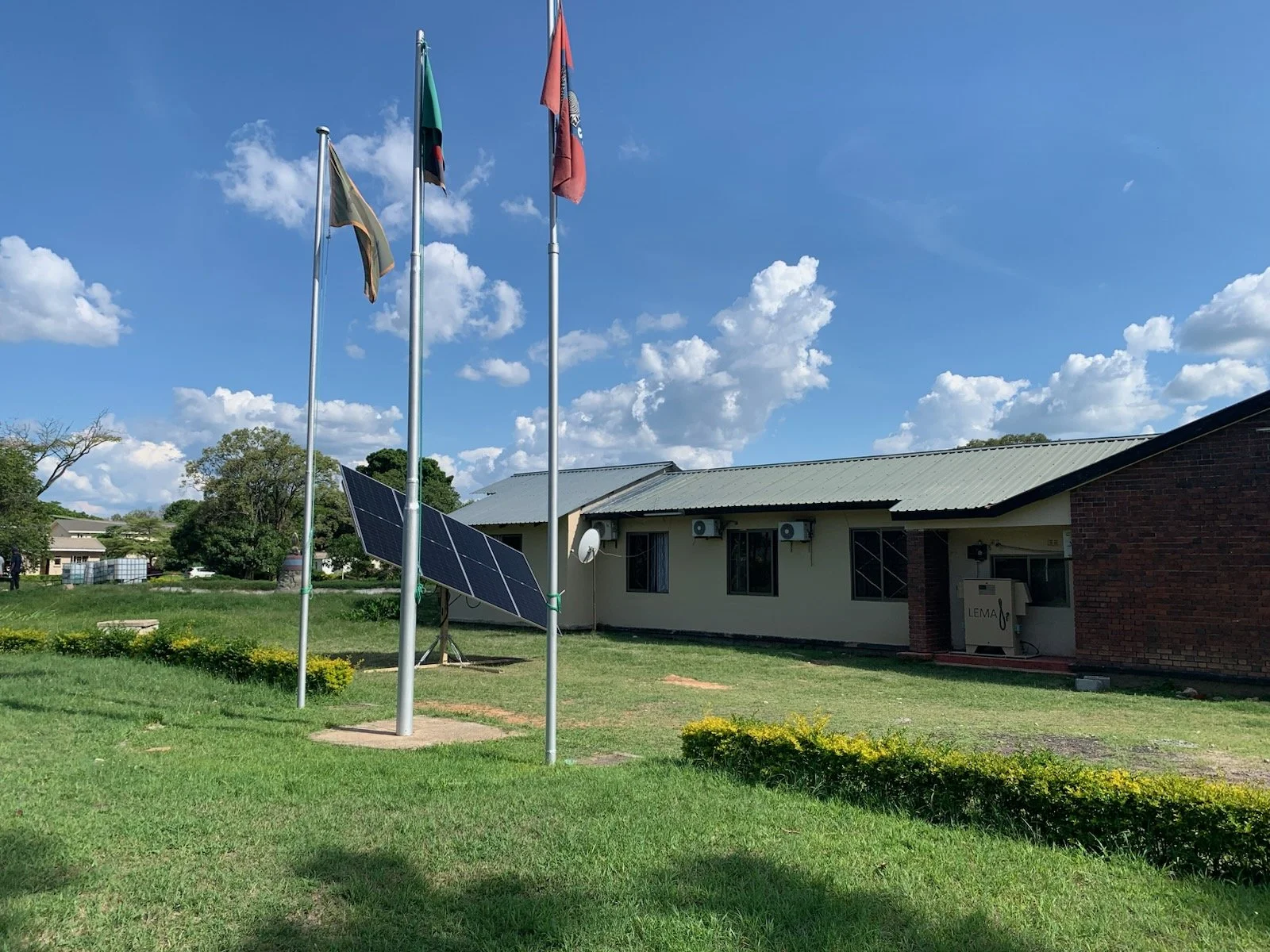
LEMA has been a key contributor to work done by the United States Africa Command (AFRICOM) in working with partner nations. LEMA worked in coordination with the U.S. Army Engineer Research and Development Center (ERDC) and the Zambia Defense Force (ZDF) on a training course that included instruction on LEMA system operations.
LEMA systems are important for developing security relations between the U.S. and partner nations, and help advance interests in the region as well as the operational readiness of important partner nations.
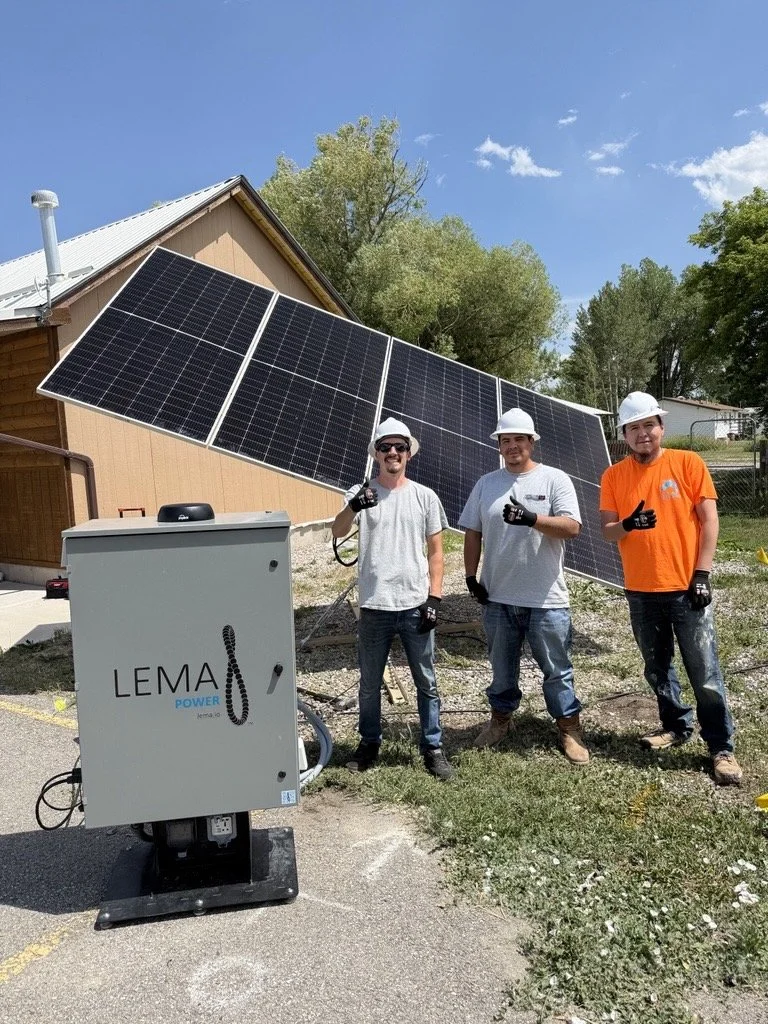
LEMA empowers U.S. tribal communities with power systems assembled, installed, operated, and maintained by local technicians. LEMA has worked closely with the Eastern Shoshone at the Wind River Reservation in Wyoming to train a local workforce, enabling tribes to create jobs, encourage economic development, and strengthen tribal sovereignty through self-determination.
Rural tribes often face unreliable access to electricity. LEMA off-grid power systems give tribes more reliable access and start them on the path to energy sovereignty, powering other economic activities like agriculture, tourism, and oil and gas extraction.
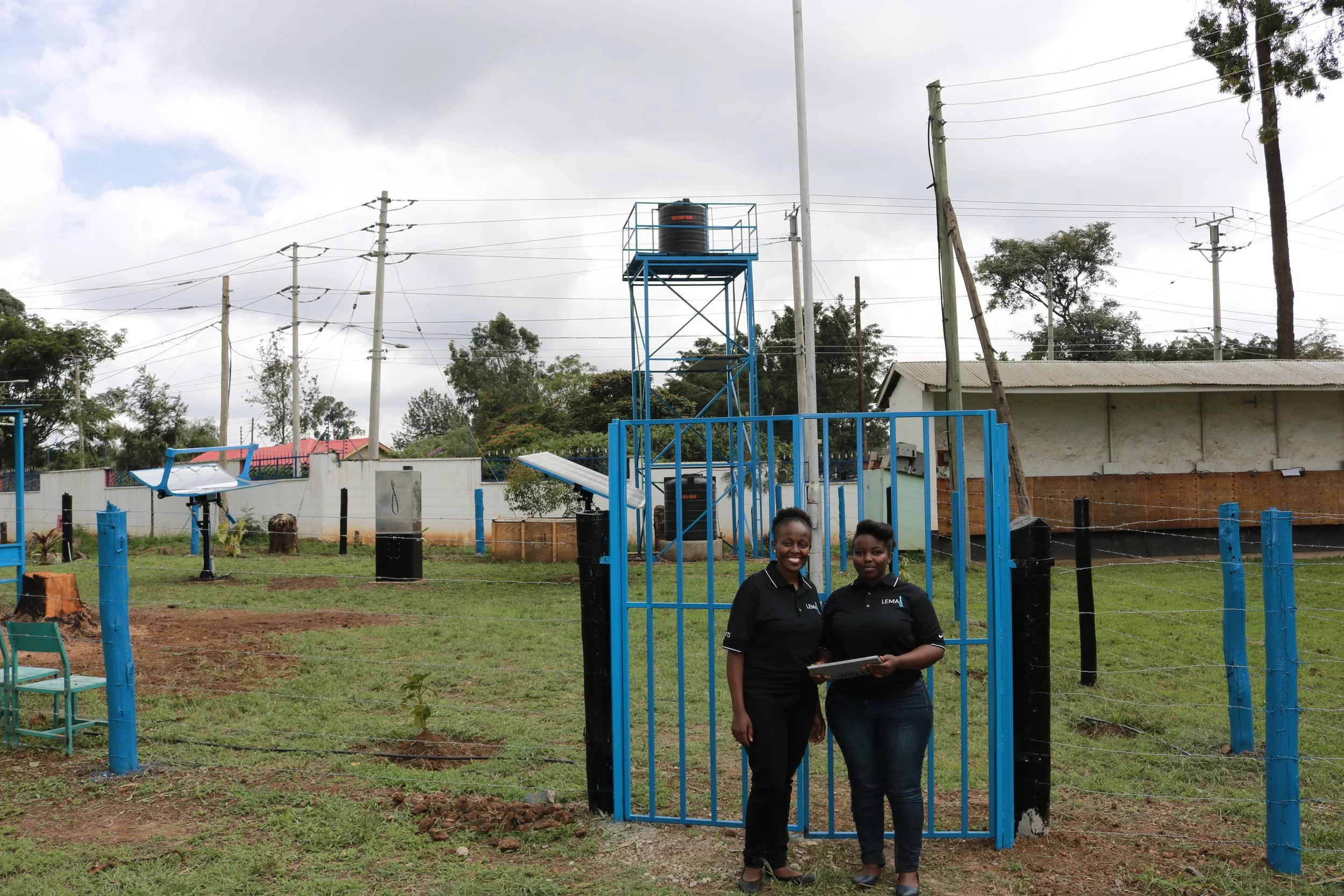
LEMA has completed life-saving work in remote areas of Kenya. Systems are providing power to rural Kilifi County health services, improving maternal healthcare, providing cold storage for medications, and expanding medical operations. Since LEMA's introduction, child mortality rates in the county have fallen.
LEMA has local staff in Kenya who service its African operations, based in Nairobi, centrally located in the East African region.
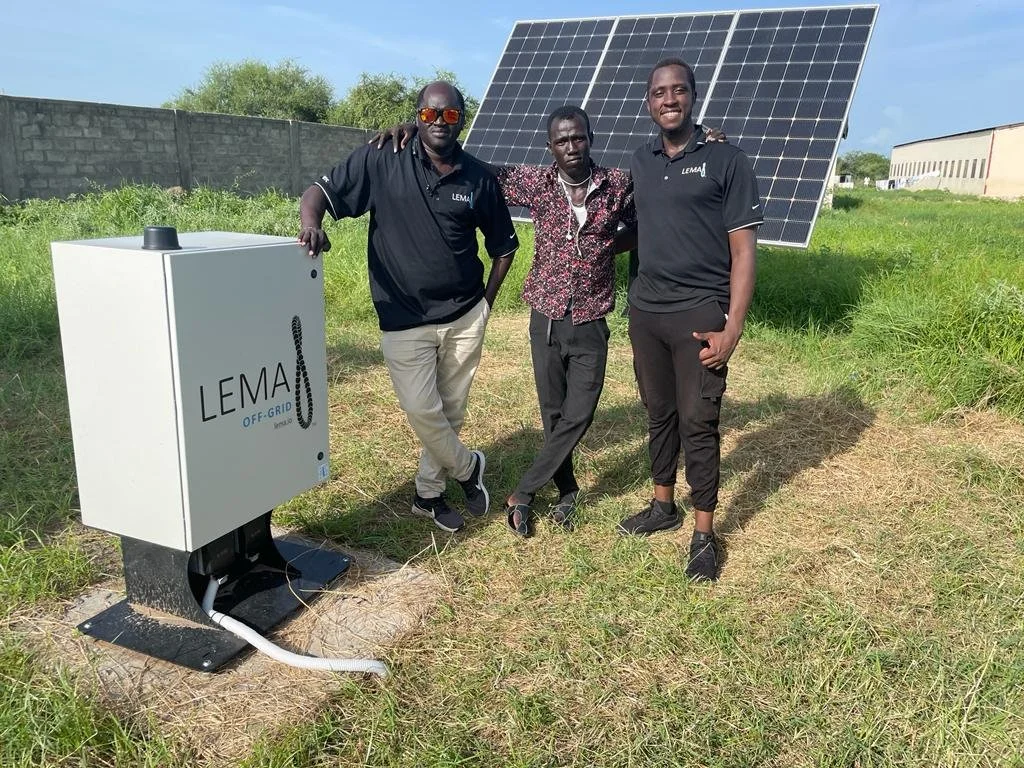
LEMA prides itself on reaching last-mile locations, as demonstrated by its work in Haiti and South Sudan. Both were active conflict zones during LEMA's work there, including a civil war raging in Haiti. In South Sudan, LEMA delivered systems during a civil war and the first year of the COVID pandemic.
LEMA employs adaptable, creative logistics tailored to each individual situation — by land, sea, or air.